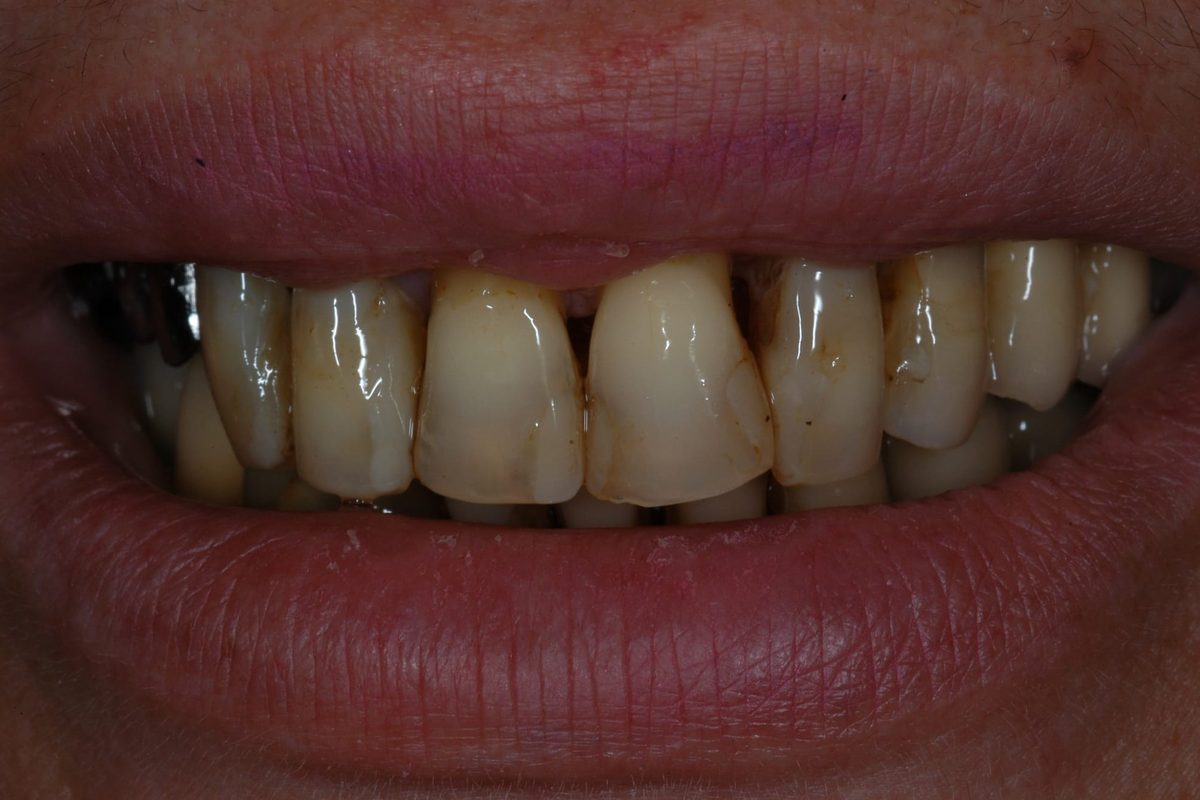
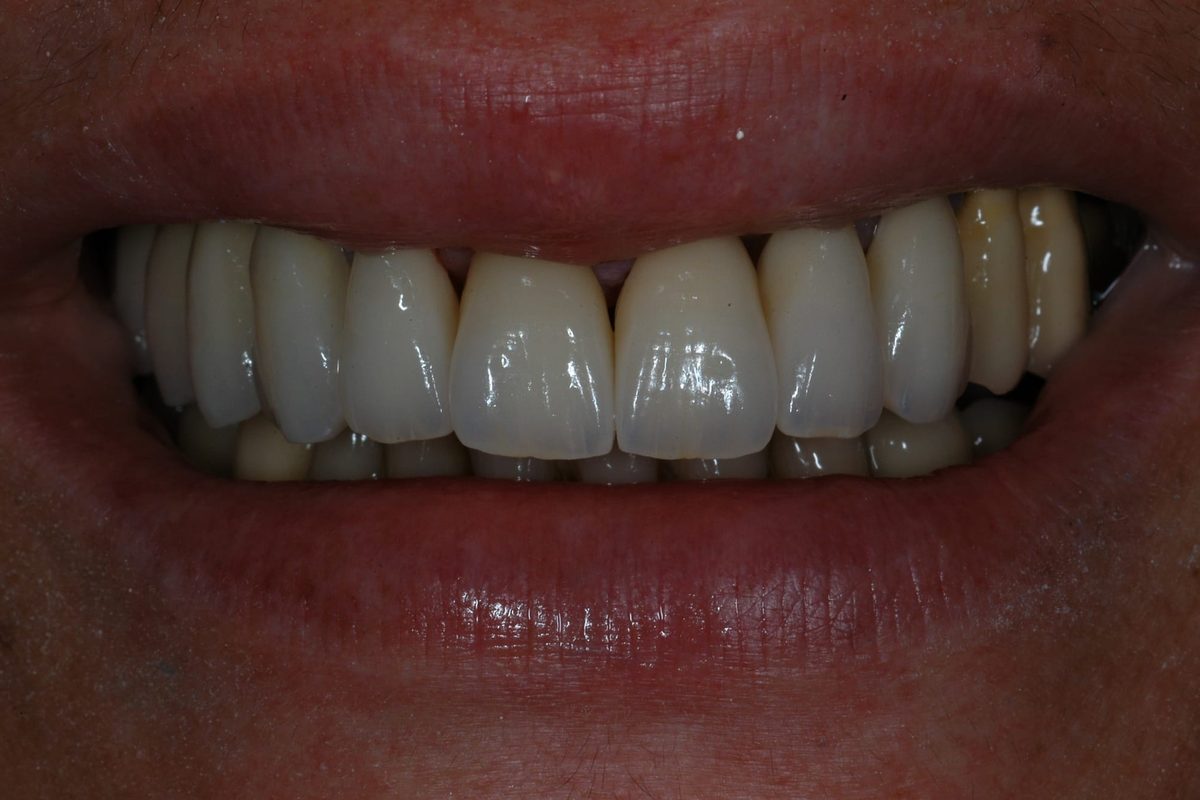
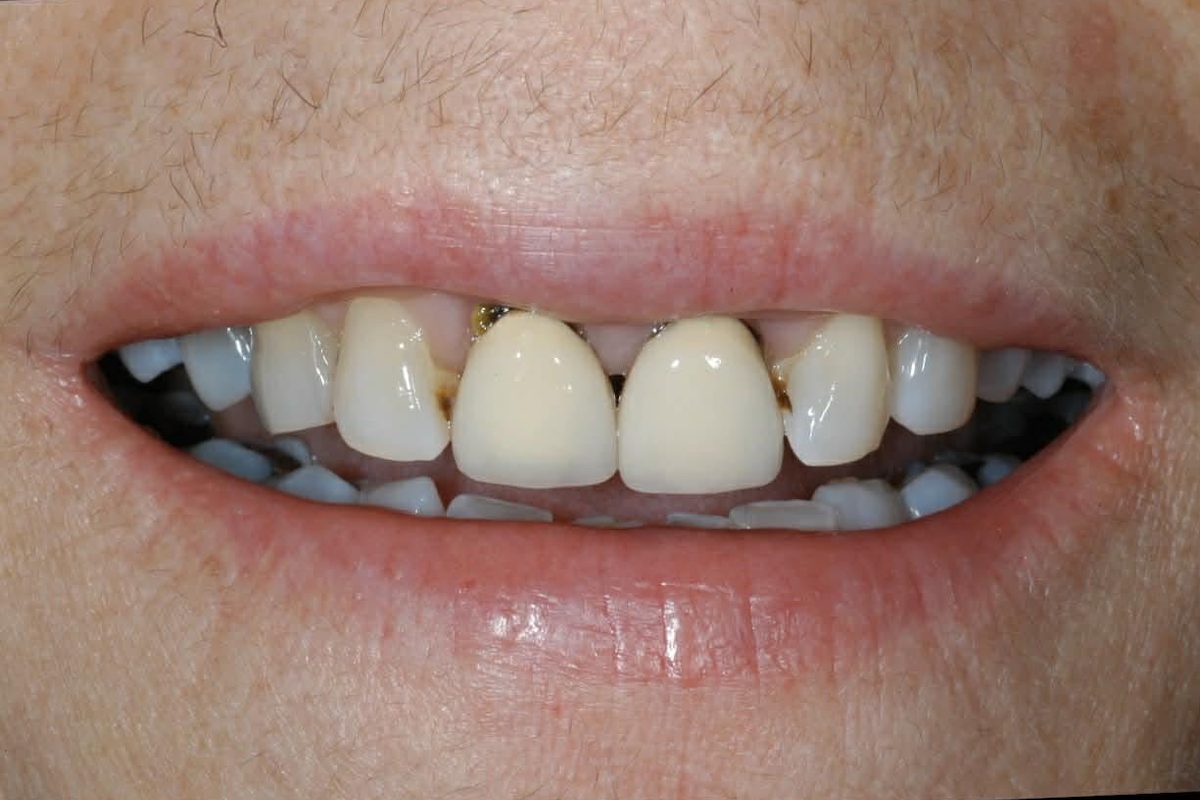
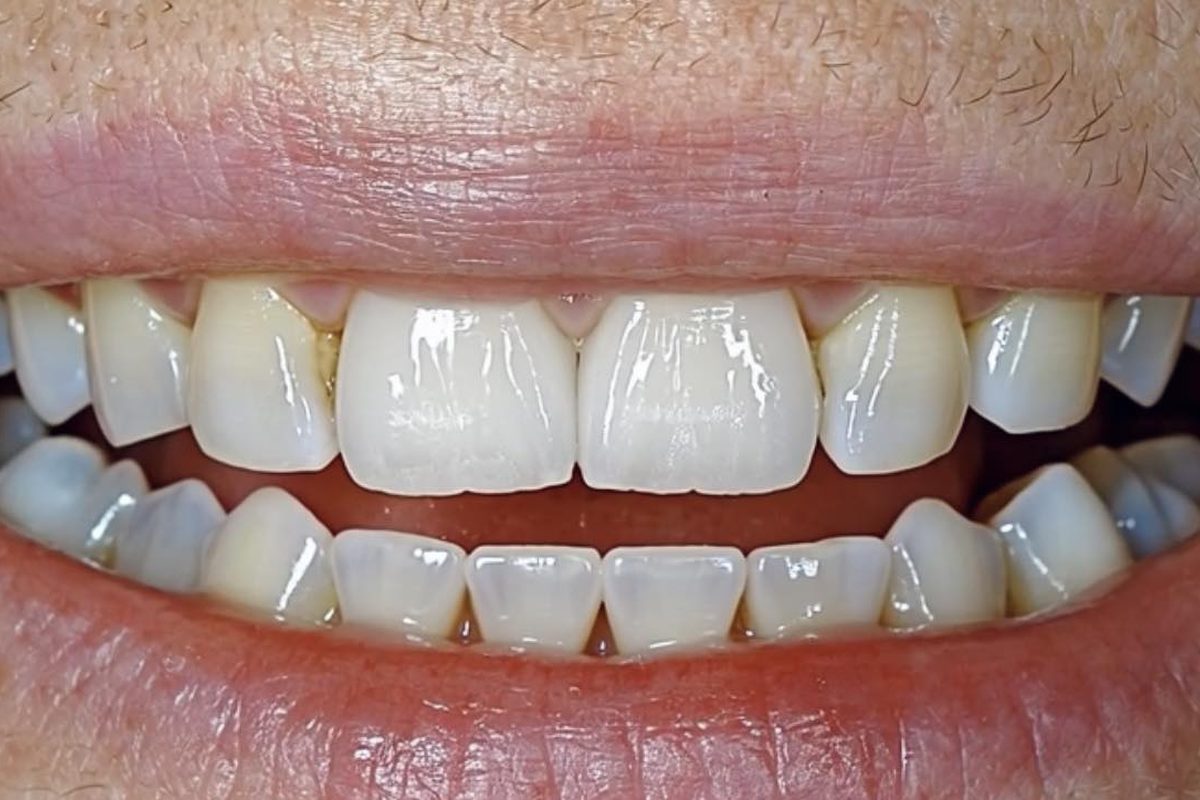
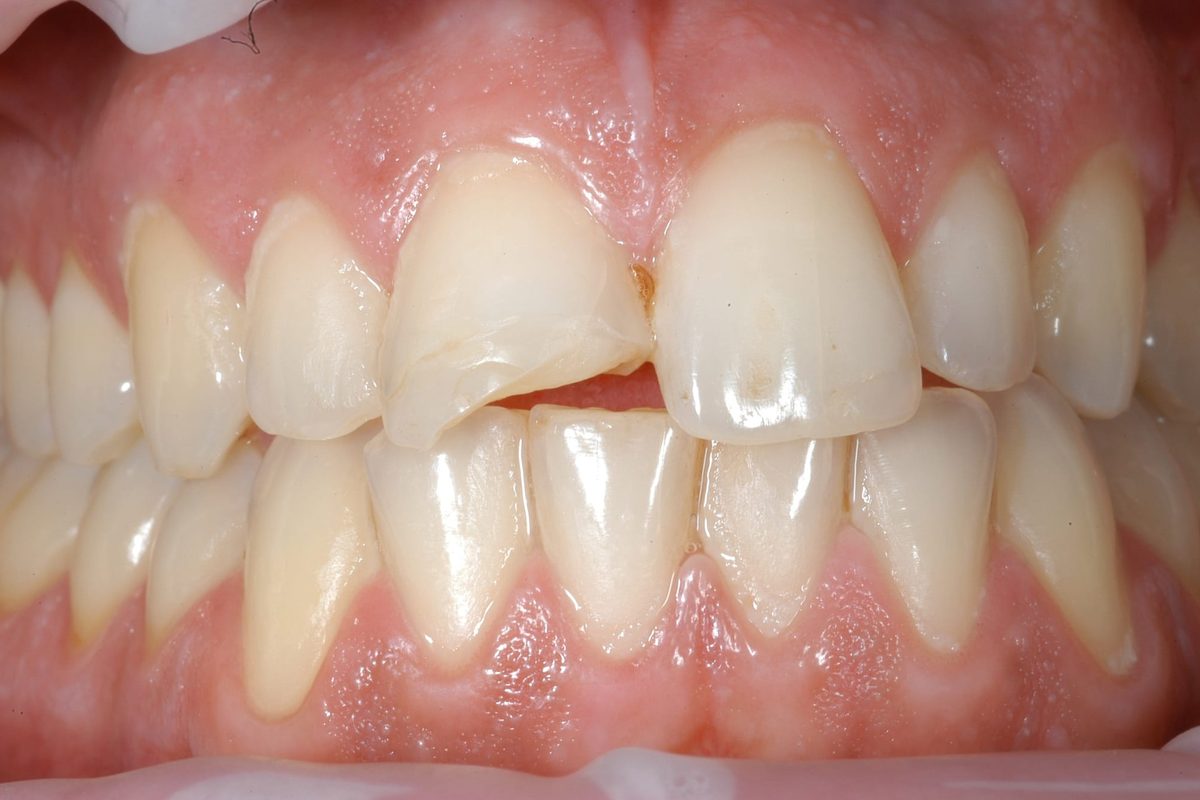
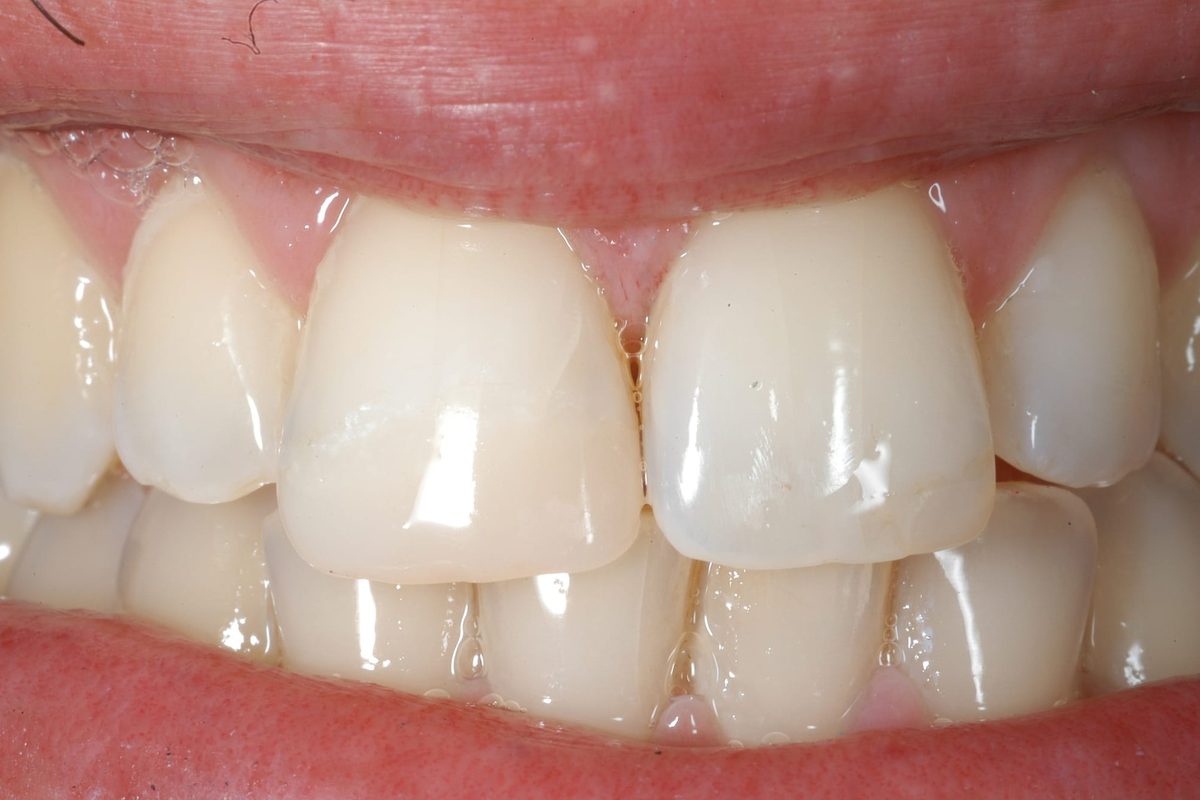
Aesthetic dentistry, on the other hand, focuses on improving the appearance of the teeth and the smile, always respecting naturalness and the harmony of the face. Tooth-coloured fillings, ceramic restorations, inlays and onlays, porcelain or resin veneers, and teeth whitening can contribute to a brighter, healthier and more balanced smile. The aim of any aesthetic intervention is not an exaggerated or unnatural result, but a restoration that suits each patient's features, needs and expectations.
With proper planning, modern materials and careful application, prosthetic and aesthetic restorations can improve both the everyday function of the mouth and the patient's confidence.
How an aesthetic result is planned
Aesthetic treatment begins with an examination and a discussion of what bothers you and what you want to achieve. The health of the teeth and gums is checked, because decay and inflammation are treated first. The appropriate options are then proposed, aiming at a natural result that suits your face rather than an exaggerated one.
Treatment options
- Whitening: it is done only at home, with custom-made trays, and lightens the colour of the teeth. It does not affect fillings and crowns, which do not change shade.
- Tooth-coloured fillings (white fillings): they restore decay or small chips with composite resin.
- Resin veneers: they change the shape or colour with composite material, often with less grinding.
- Porcelain veneers: thin ceramic surfaces for a greater aesthetic change and stability over time.
- Ceramic restorations, inlays and onlays: for larger areas of damage, with a natural appearance.
The choice depends on the condition of your teeth, the functional findings and your expectations. The more invasive options are decided on only when they are needed.
First discussion and expectations
It is important to say clearly what you want to change and to listen honestly to what is achievable. Your dentist explains the limits of each method, its advantages and disadvantages, and whether a more conservative solution meets your goal. This avoids surprises and the result matches your expectations.
Materials in general
Composite resins are widely used for aesthetic restorations and allow a conservative approach. Ceramic and porcelain offer natural translucency and resistance to staining. The appropriate material is chosen according to the position of the tooth, the size of the damage and the functional demands.
Duration and recovery
The duration depends on the case. Veneers and ceramic restorations usually require several sessions, with a temporary restoration until the final one is made in the laboratory. Temporary sensitivity may follow the treatment.
Who it is for
For those who want to improve the colour, shape or harmony of their teeth, replace old restorations or repair a broken tooth. Aesthetic restoration requires healthy gums and teeth, and often improves function at the same time.
Care and maintenance
To maintain the result you need daily hygiene, regular professional cleaning and fewer staining habits, such as smoking and excessive coffee. If you have bruxism, a night guard may be recommended to protect the restorations. For advice on aesthetic dentistry in Thessaloniki, book an appointment at our practice.