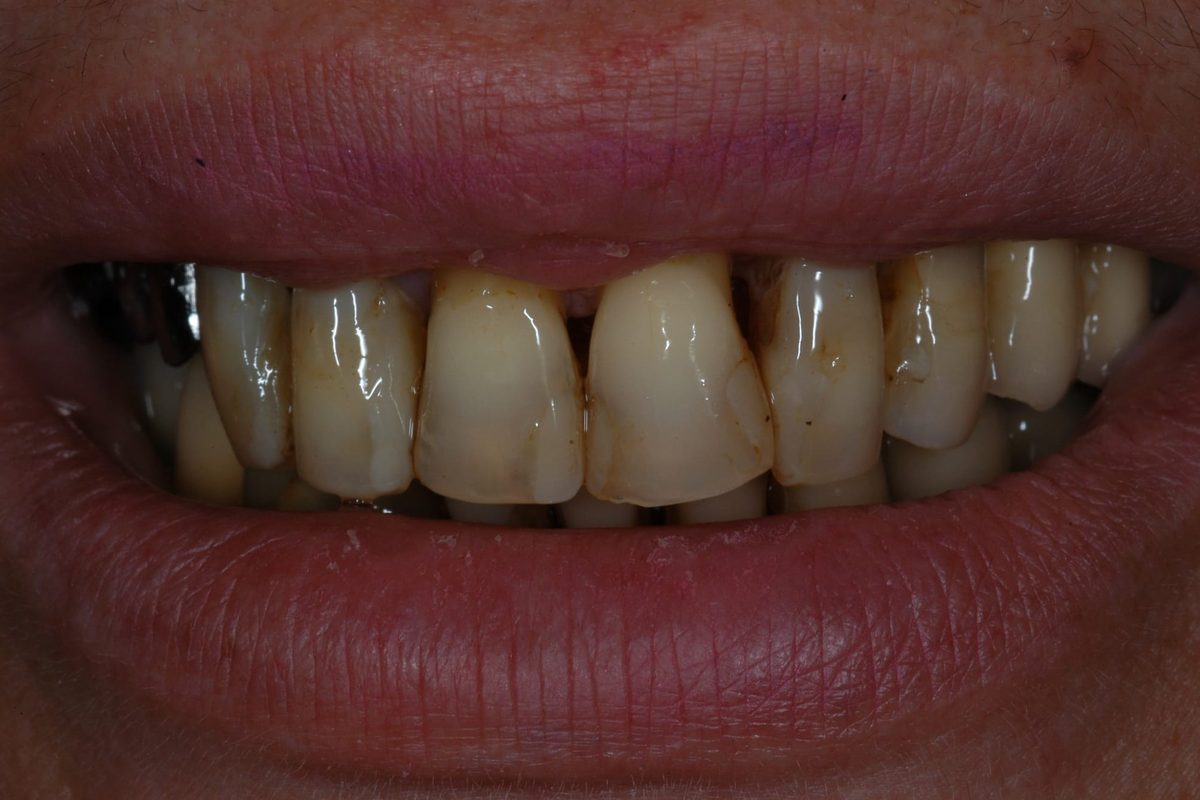
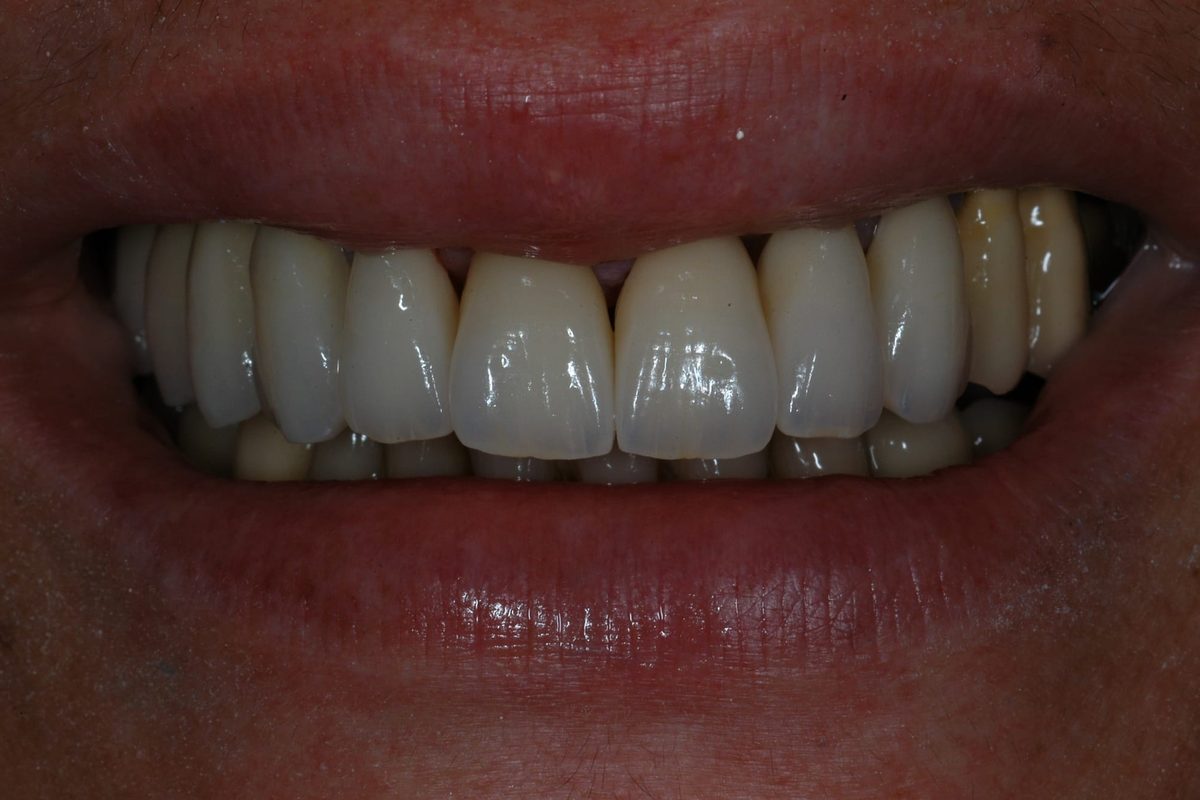
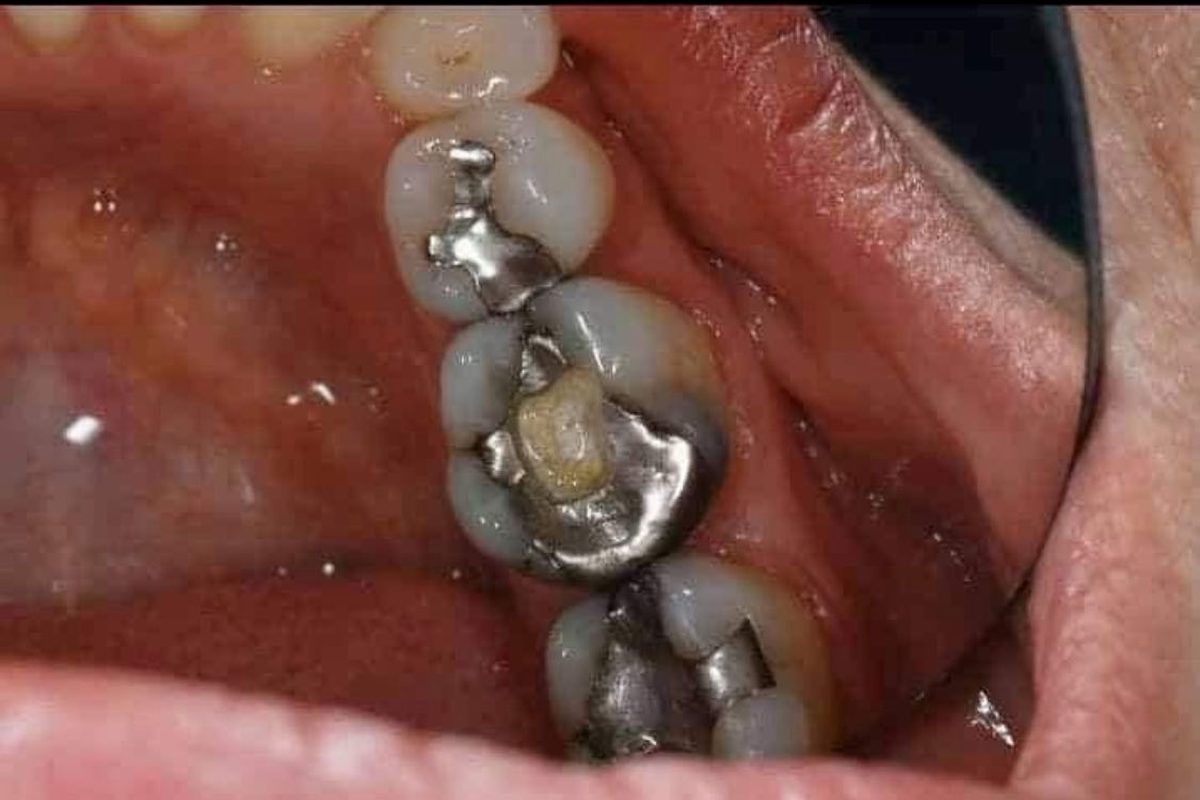
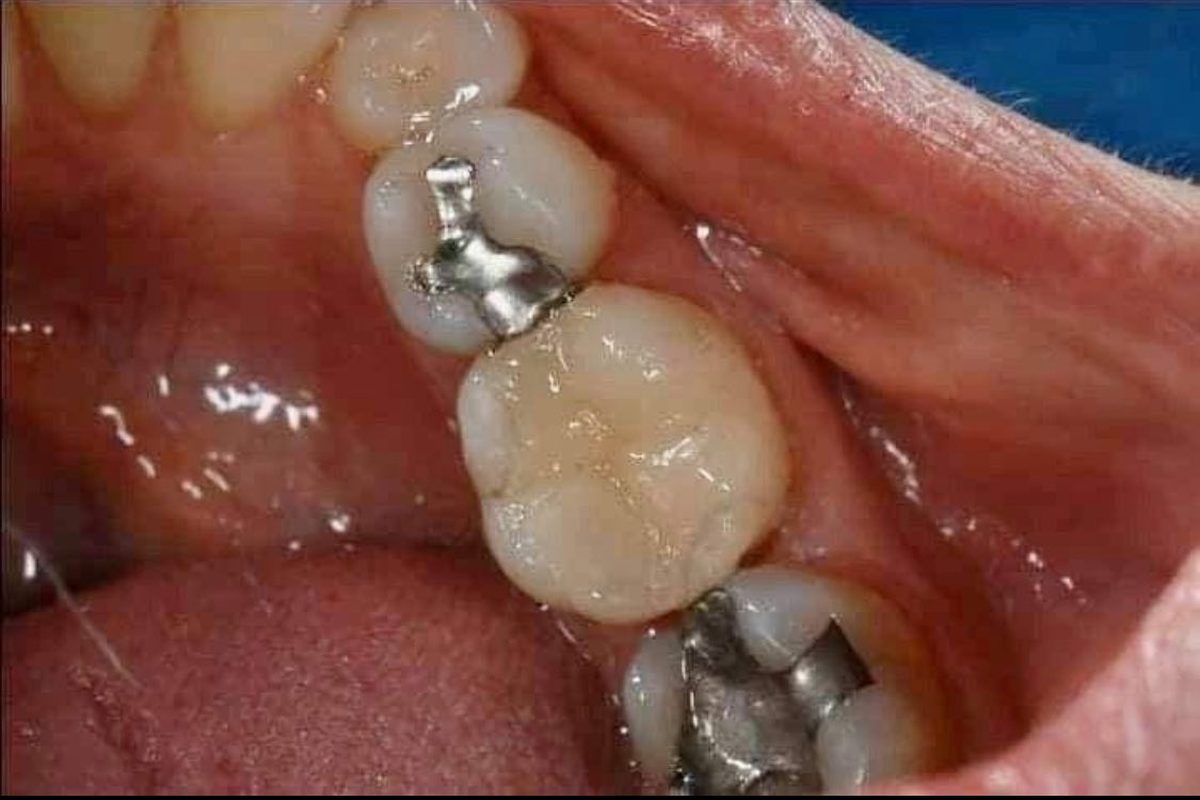
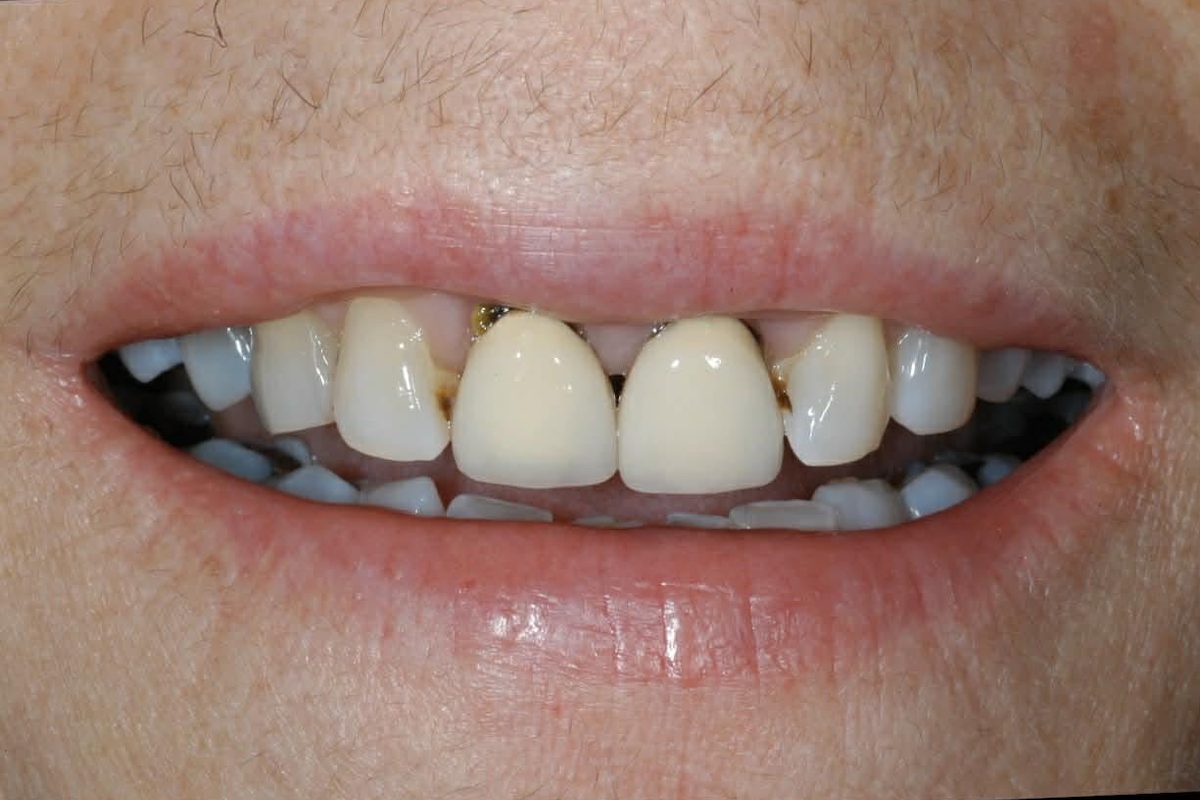
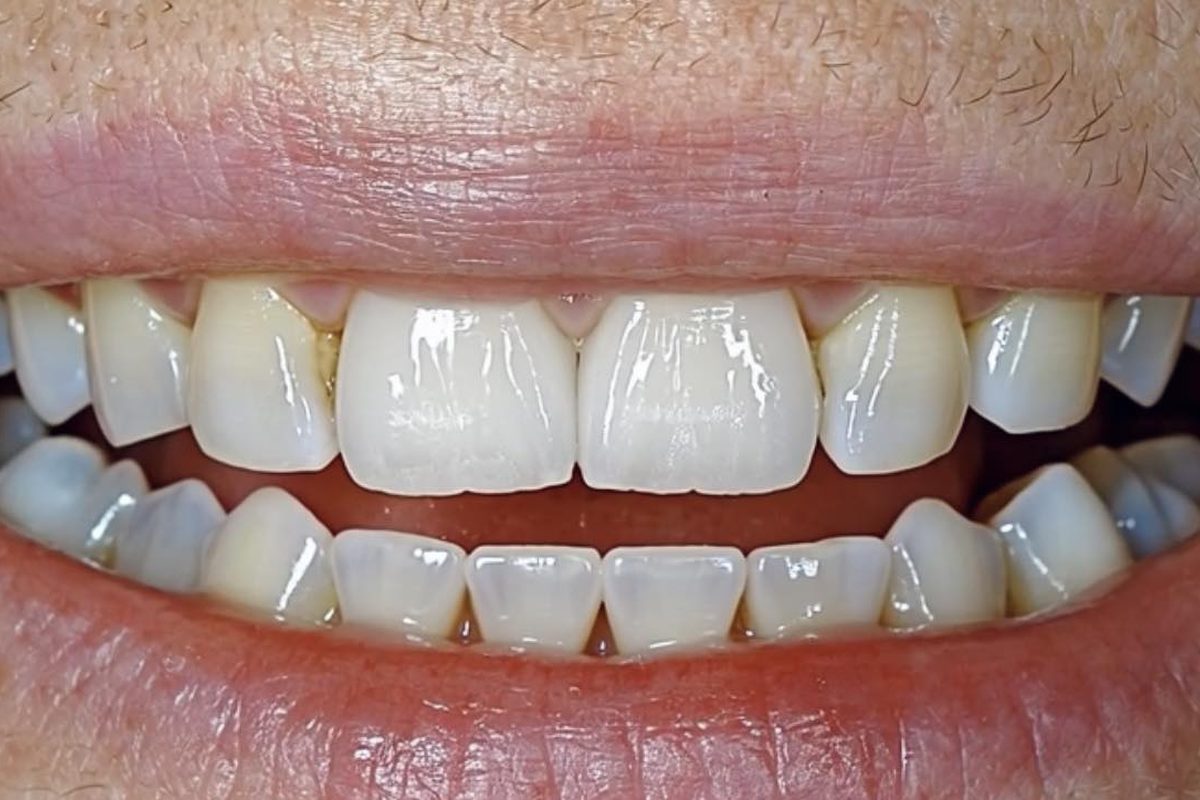
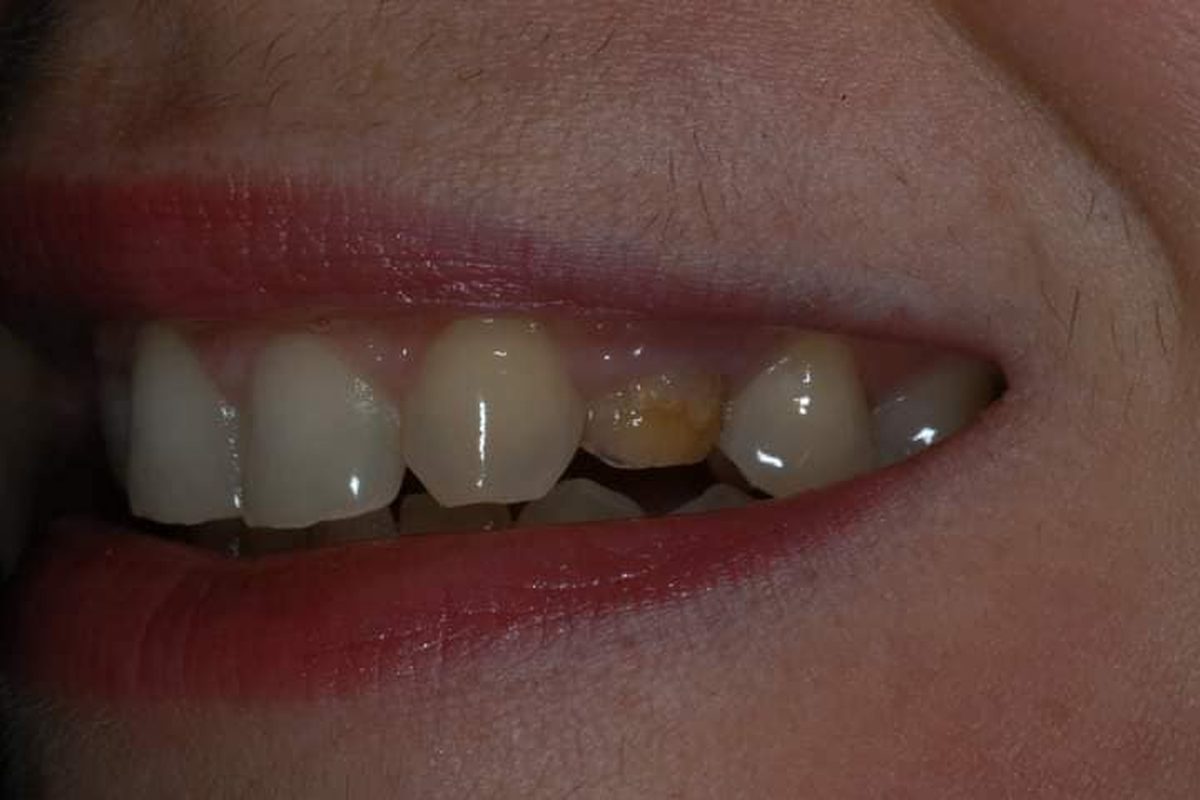
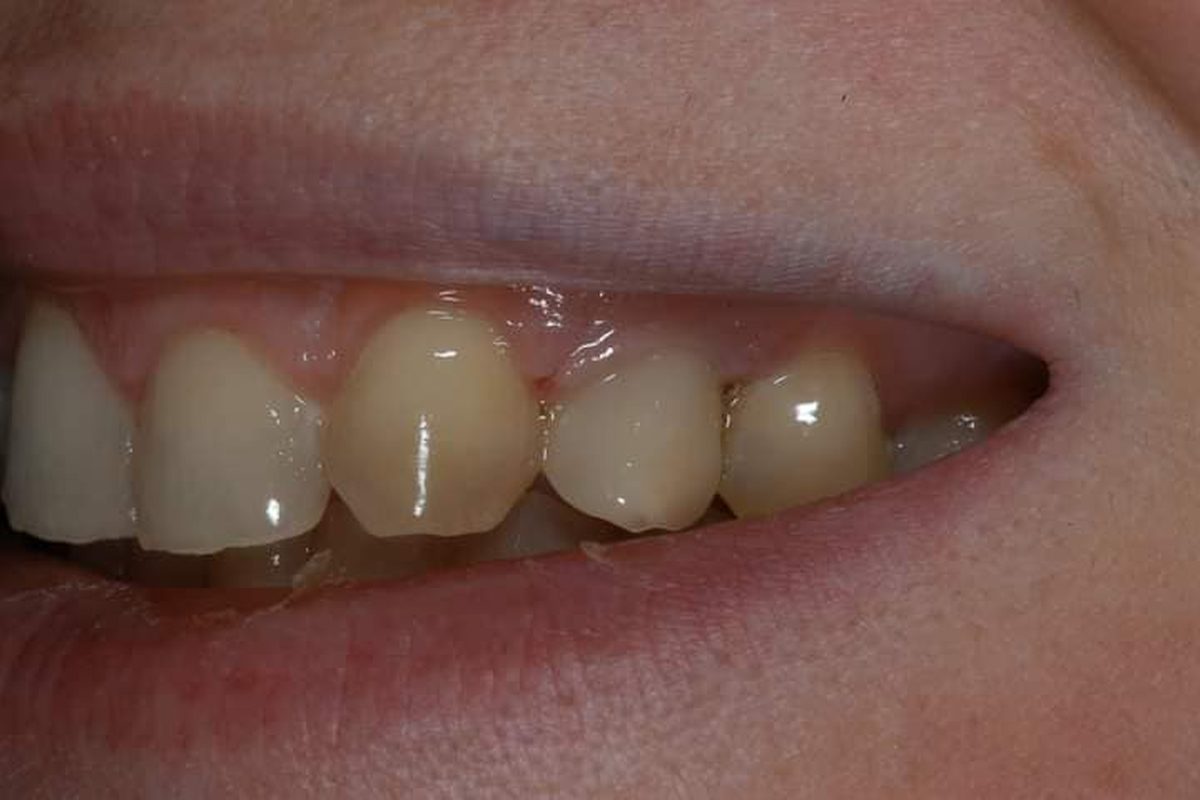
Prosthetic restorations aim to restore the correct function of the mouth, chewing and speech, and also to improve the aesthetics of the smile. When one or more teeth are missing, badly worn or cannot be restored with simple fillings, prosthodontics can offer personalised solutions, adapted to the needs of each patient. Prosthetic work includes crowns, bridges, inlays, onlays, veneers and other restorations, designed on the basis of the condition of the teeth, gums, occlusion and overall oral health.
The right solution is chosen after a careful clinical examination and assessment, guided by function, stability, durability, aesthetics and long-term oral care.
Steps of prosthodontic treatment
Treatment begins with an examination and planning: the missing or worn teeth, the gums, your bite and your aesthetic wishes are assessed. If needed, treatment of decay or gum problems comes first. For a crown or bridge, the teeth are prepared under local anaesthesia, an impression is taken and a temporary restoration is placed until the final one is made in the laboratory. At the next session it is tried in and fixed, with a check of the bite.
Who it is for
- teeth with extensive decay or fractures for which fillings are not sufficient,
- teeth after root canal treatment that need protection,
- loss of one or more teeth,
- tooth wear from bruxism or acids,
- marked aesthetic irregularities in colour or shape.
Options and materials
The choice depends on the position of the tooth, the forces it receives, aesthetics and the condition of the teeth. In general we distinguish:
- Crowns: they cover the whole tooth.
- Inlays and onlays: they restore part of the tooth while preserving more of the natural structure.
- Bridges: they replace one or more missing teeth, supported on the neighbouring teeth or on implants.
- Dentures: partial or complete, removable or supported on implants.
- Materials: metal-ceramic crowns, all-ceramic crowns and veneers, zirconia and inlays/onlays, as well as complete and partial dentures. The appropriate material is chosen case by case.
The value of proper planning
Prosthodontics is not only about how a tooth looks, but also about how the jaws close and how chewing forces are distributed. A well-designed restoration protects the remaining teeth, restores comfortable chewing and speech and improves the look of the smile. This is why an examination and a plan always come first, so that you know the stages and the alternatives before we begin.
Implant-supported restorations
When teeth are missing, the crown, bridge or denture can be supported on dental implants. The prosthetic phase begins once the implant has stabilised in the bone and includes impression, try-in and final fitting.
Duration and recovery
Two or more sessions are usually needed, because the work is made in the laboratory. After the teeth are prepared there may be temporary sensitivity. A denture usually needs a period of adjustment to speech and chewing, with small corrections at later visits.
Care and follow-up
Restorations need daily cleaning, especially at the gum margin and beneath bridges, and regular check-ups. If you have bruxism, a night guard may be recommended to protect them. For an examination and restoration planning in Thessaloniki, book an appointment at our practice.